

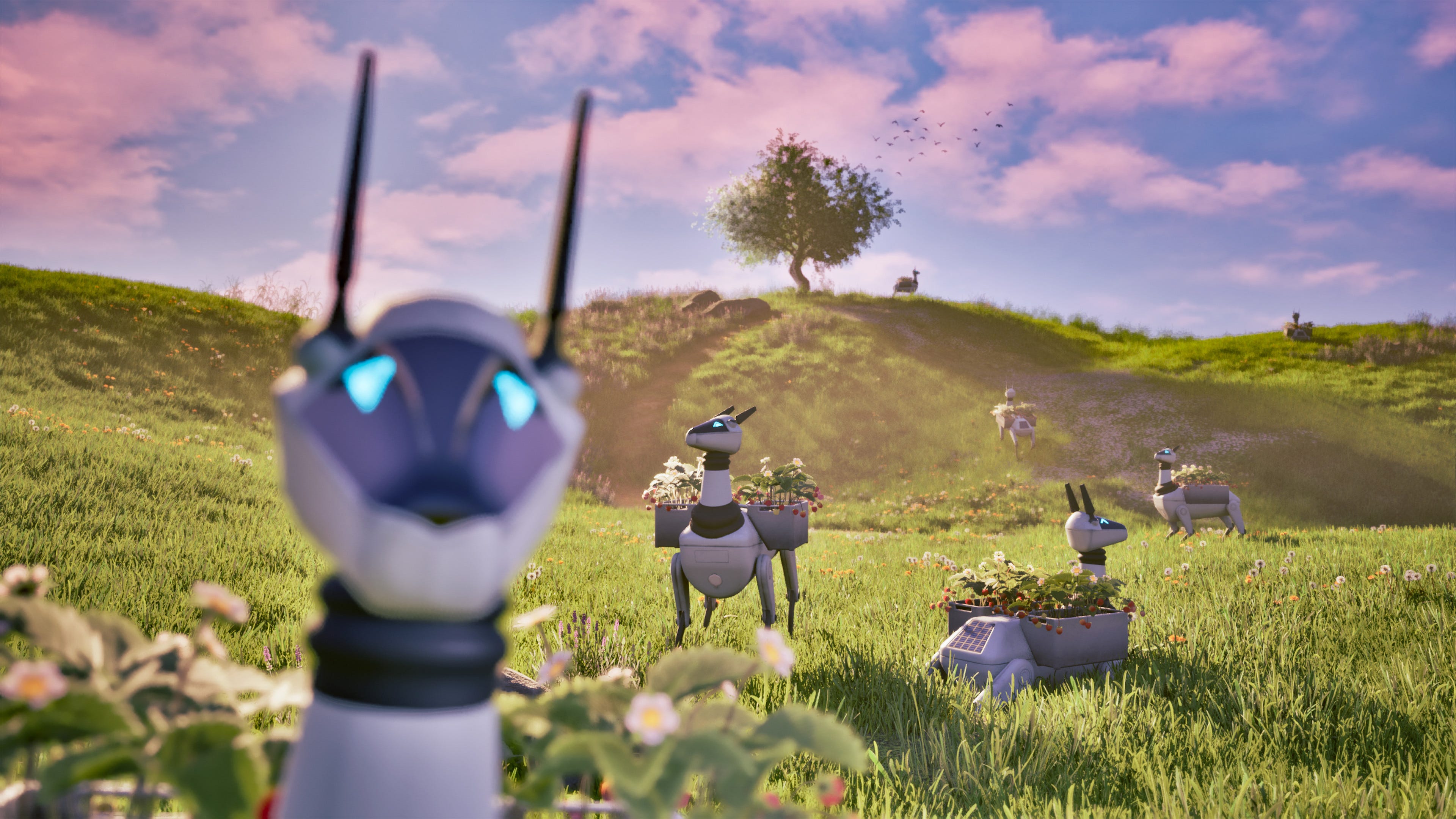
We do not need the continued proliferation of massive data centers that drain our water supplies, create noise pollution, raise local temperatures and need recommissioned nuclear plants to power them.
Honestly that’s not even the beginning of it, take a look at this incredible article on the matter from Strategist - its a long read but a completely mind blowing one 🤯⬇️

This kind of mega infrastructure rollout is needed for BIG AI. Massive and typically pretty inefficient LLMs sold as tokens or even, quite irresponsibly in my opinion, given as default options during web operations.
What is the energy cost, for example, of bringing AI answers to 16.4 billion searches per day? We’ll likely never find out, it might even be evil to ask 😜.
Server farms or cloud services are needed to satisfy demand for gated AI services which require subscriptions and tokens to be bought to use them. The services are remote, your access restricted according to payment. It’s fair enough as a business model, but it’s destroying our environment and it’s not the only way.
The better, kinder way to the planet and our own autonomy is local AI - small AI if you like. Local, distilled, efficient open weight and open source models proficient at specific operations running directly on your private computer. Whether that be writing code, organising calendars or generating videos. The operations are not the point here, the way that they are completed is.
There are many advantages to this approach. Much lower costs, of course. One or two corporations loss is millions of users gain! Costs of running efficient open models locally is as close to zero as you can get for AI. Speed can be another obvious and tangible benefit, without network overheads results can be returned so much faster. This is dependent on operation and available local hardware of course, in our tests generating video locally with MiniMax H3 on a 8GB GPU we got 21 frames in 24 minutes 😅. That it even runs at all is very cool on such a GPU, and as always we’re just at the beginning… there are so many beginnings can there ever be an end?
Control is another major advantage. Specialized models can be easier to constrain, test, and tune. Human-led design stays in control when models operate through authored tools and rules. This is significant when we consider the societal impact of surrendering autonomy and outsourcing intelligence. Here we are localising and optimising autonomy and intelligence.
It's already possible to run open source LLMs (like Qwen or Gemma) locally thanks to efforts from open source projects ollama and llama.cpp. Pinokio and ComfyUI make it also possible to generate image and videos on your local GPU, using open weights models like MiniMax H3. And there's a whole world of LoRA, adaptors and other fine-tuning and distilling techniques available to adapt existing AI models to your own requirements. Open models are gaining huge traction - see the open vs closed weight usage from AI Gateway below, for example.

For us at The Everything Studio as we generate assets - we’re coming to how we do that in a later post! - and intelligent agents for our games this is crucial. Any other way would cost us too much, financially and environmentally, to run our games. We’re using Agentic AI at runtime to determine behaviours for characters in our video games and so much more. It’s a work in progress but 80% runs locally, in models we educate and control. Our goal is that each installer of our games runs our AI tools, locally, as part of that game. How cool is that? And please don’t ask about GPU usage during gameplay we’re working on that 🫠.
We are doing everything we can to run local, open weight and open source models in our AI assisted production of human crafted video games. More on that here → https://theeverything.studio/post-local-first-game-agents.html
Local, open, controlled and efficient is the future of AI. We all just need to understand and embrace it!